
Concise visual guides covering aviation security, operational resilience, risk, intelligence and better decision-making. Posted on the ISRM Aviation Security Special Interest Group on LinkedIn, Oct 2026. Three decision-support models for making better decisions under pressure VUCA 2.0 complements rather than replaces VUCA. It is a leadership lens, not a risk-assessment or decision-making methodology. Posted on the ISRM Aviation Security Special Interest Group on LinkedIn, Oct 2026. Explore the differences between TUNA or RUPT, focusing on the unique emphasis of each lens in your analysis. Our intuition about numbers is not always reliable Posted on the ISRM Aviation Security Special Interest Group on LinkedIn, Sept 2026. Posted on the ISRM Aviation Security Special Interest Group on LinkedIn, Sept 2026. Understanding volatility, uncertainty, complexity and ambiguity in aviation Posted on the ISRM Aviation Security Special Interest Group on LinkedIn, Sept 2026. Explore how simple illusions, perception activities and cognitive challenges can be used in online training to capture attention, encourage participation and create memorable learning moments. Explore four frameworks for understanding uncertainty, disruption and complex operating environments, and how each provides a different perspective for analysis and decision-making. Understand how different forms of evidence can strengthen aviation security decisions. Challenge whether your security measures are showing what really matters. Choose indicators that show what is happening now and what has already happened. Posted on the ISRM Aviation Security Special Interest Group on LinkedIn, Sept 2026. Turn a broad area of interest into a focused question that can be explored, evidenced and answered. Check claims, sources, context and evidence before relying on information. Assess a source’s authority, relevance, purpose, reliability and limitations. Record how information was found, checked, interpreted and used. Compare independent sources to identify agreement, contradiction, uncertainty and information gaps. Use structured challenge to test assumptions, question consensus and consider alternative explanations. Use publicly available information lawfully, safely, ethically and proportionately. Identify developing risks, early signals, emerging trends and areas of uncertainty. Explore how behaviours, reporting, leadership and working conditions influence security culture. Review events systematically to identify evidence, contributing factors, patterns and lessons. Turn research findings into balanced conclusions without overstating the evidence. Identify relevant stakeholders, their interests, influence, information needs and concerns. Convert evidence and professional judgement into a clear, recorded and reviewable decision. Communicate findings, limitations and implications so others can understand and act. Posted in the LinkedIn Security Management Systems (SeMS) Group, September 2026. Posted on the ISRM Aviation Security Special Interest Group on LinkedIn, Sept 2026. Posted on the ISRM Aviation Security Special Interest Group on LinkedIn, August 2026. Posted on the ISRM Aviation Security Special Interest Group on LinkedIn, Sept 2026. Posted on the ISRM Aviation Security Special Interest Group on LinkedIn, August 2026. Posted on the ISRM Aviation Security Special Interest Group on LinkedIn, August 2026. Posted on the LinkedIn ISRM AVSEC SIG Group, August 2026. Posted on the ISRM Aviation Security Special Interest Group on LinkedIn, September 2026. Posted on the LinkedIn Security Management Systems (SeMS) Group, August 2026. Posted in the LinkedIn Security Management Systems (SeMS) Group, August 2026. Explore practical ways to turn passive online learning into active participation through challenges, decisions, investigation, collaboration and scenario-based activities. Learn how to turn interactive online activities into meaningful learning through clear objectives, realistic challenges, reflection, discussion and practical application. Delivered to Association of Security Consultants (ASC) at their Spring Seminar May 2026, by Stephen Ackroyd No resources match your search.Aviation Security Explainer Library
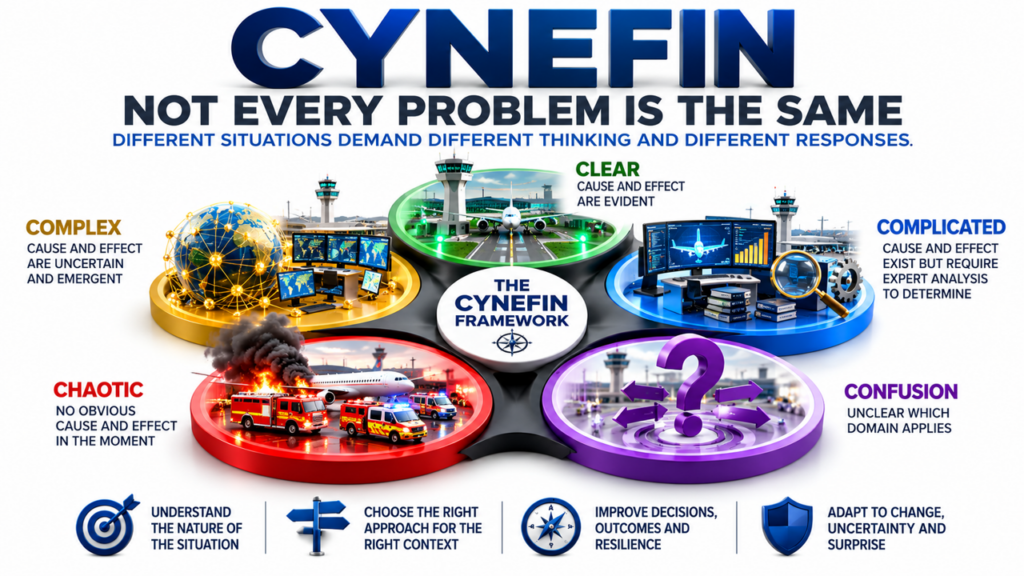
Cynefin Framework

OODA vs FOR-DEC vs TDODAR
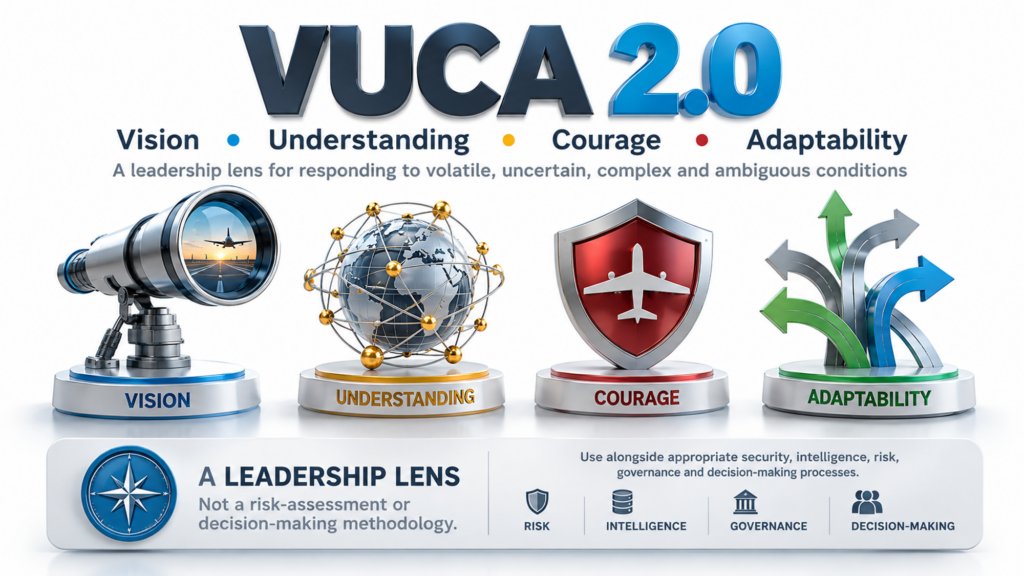
VUCA 2.0: A Leadership response to VUCA

VOPA

TUNA or RUPT

Using numbers to surprise learners

Assumptions Truisms and Fallacies

VUCA vs VUCA Prime

VUCA Explained: Volatility, Uncertainty, Complexity and Ambiguity
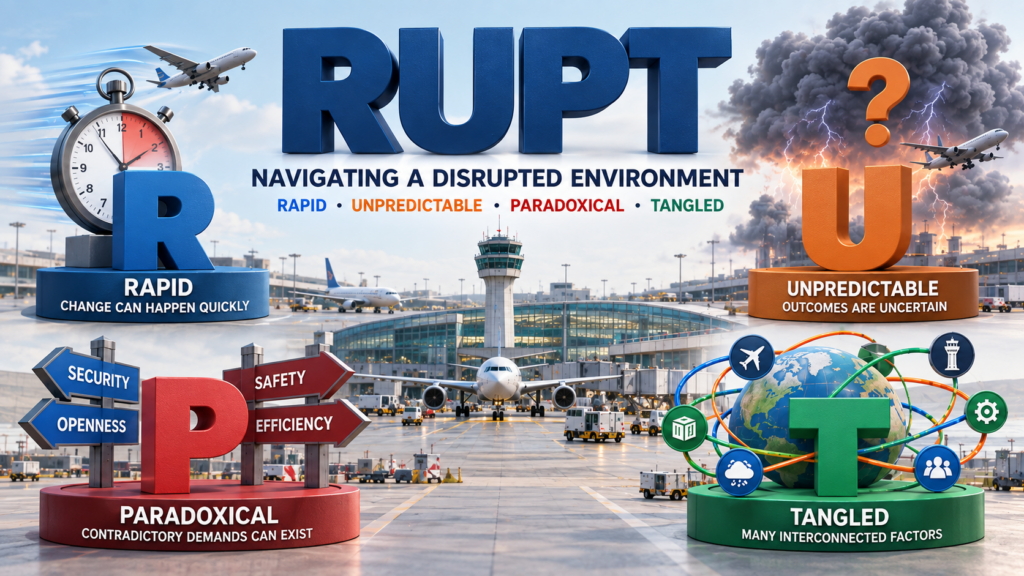
RUPT Explained: Rapid, Unpredictable, Paradoxical and Tangled

Using illusions and perception activities in online training

VUCA, TUNA, BANI or RUPT?
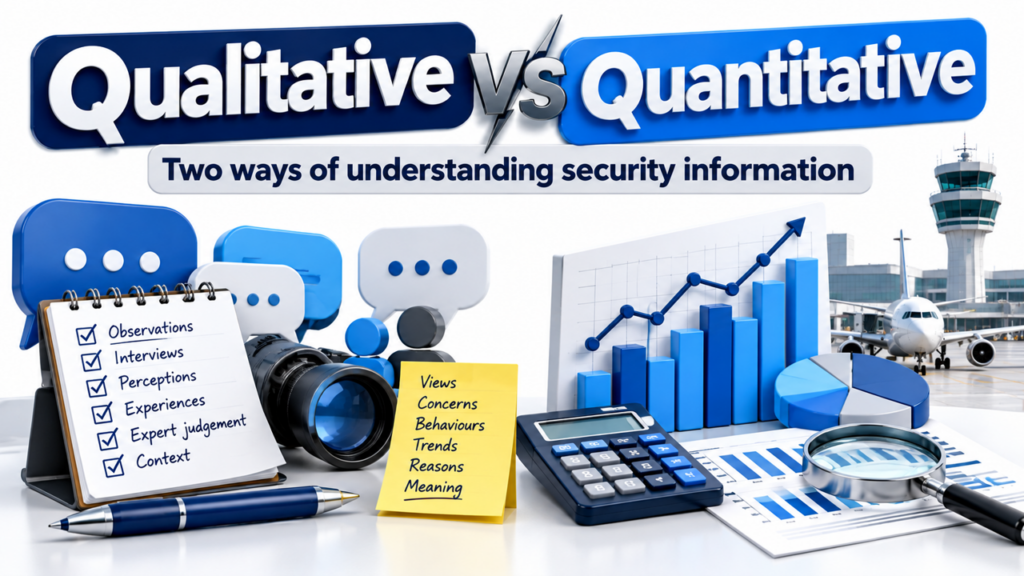
Qualitative vs quantitative
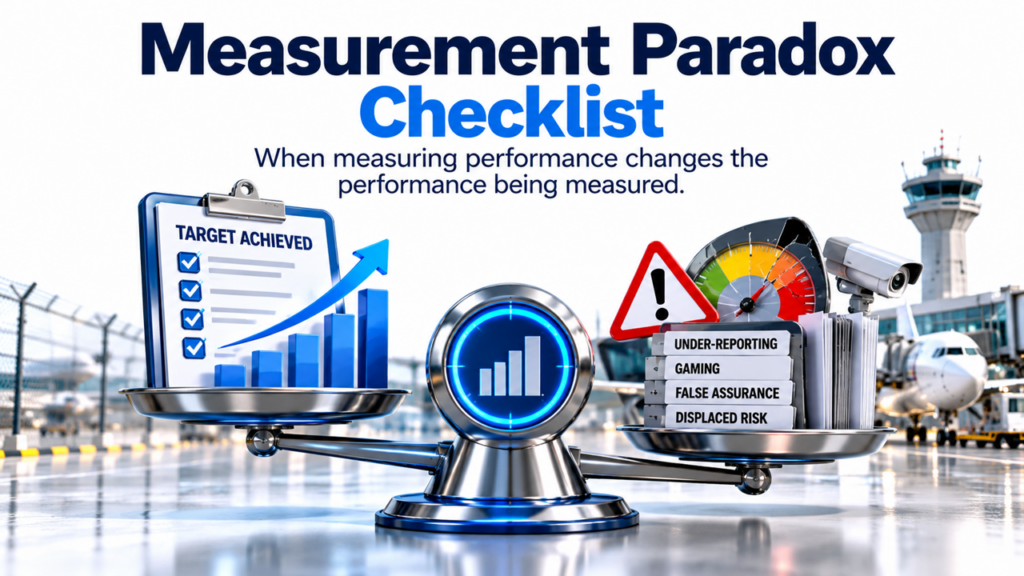
Measurement Paradox Checklist

Leading vs Lagging Selector

VUCA vs TUNA two lenses different emphasis
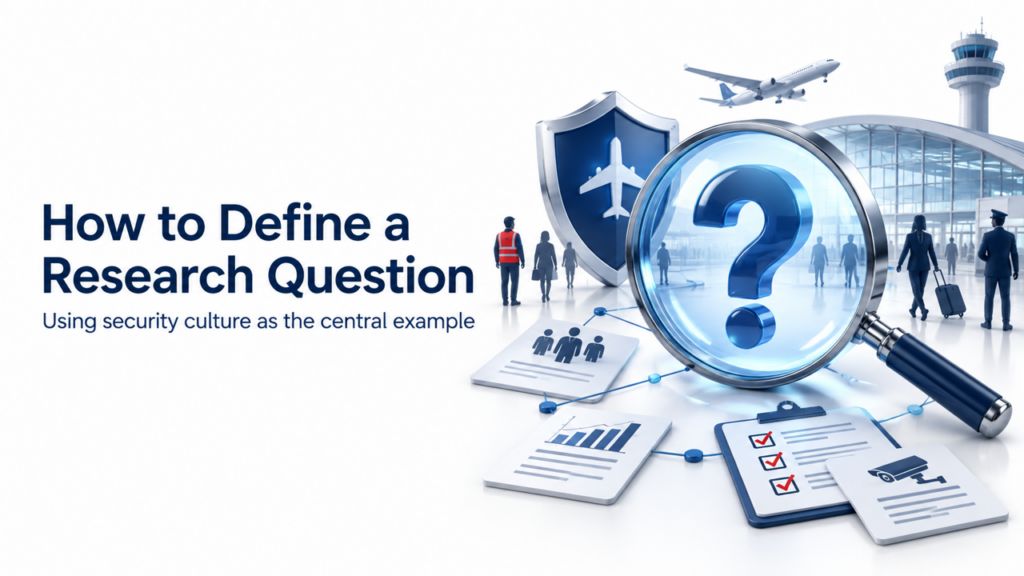
How to define a research question
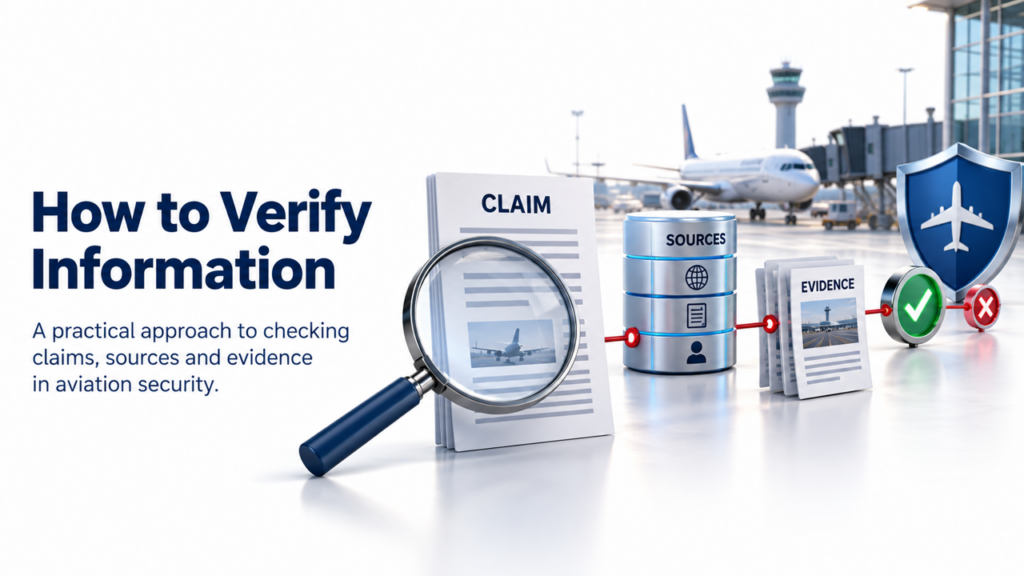
How to verify information
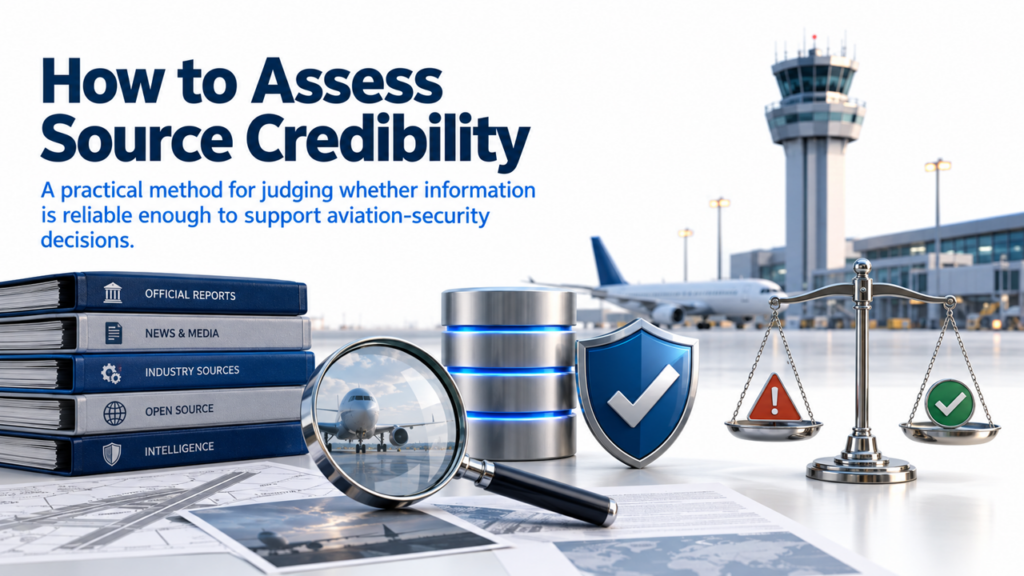
How to assess source credibility
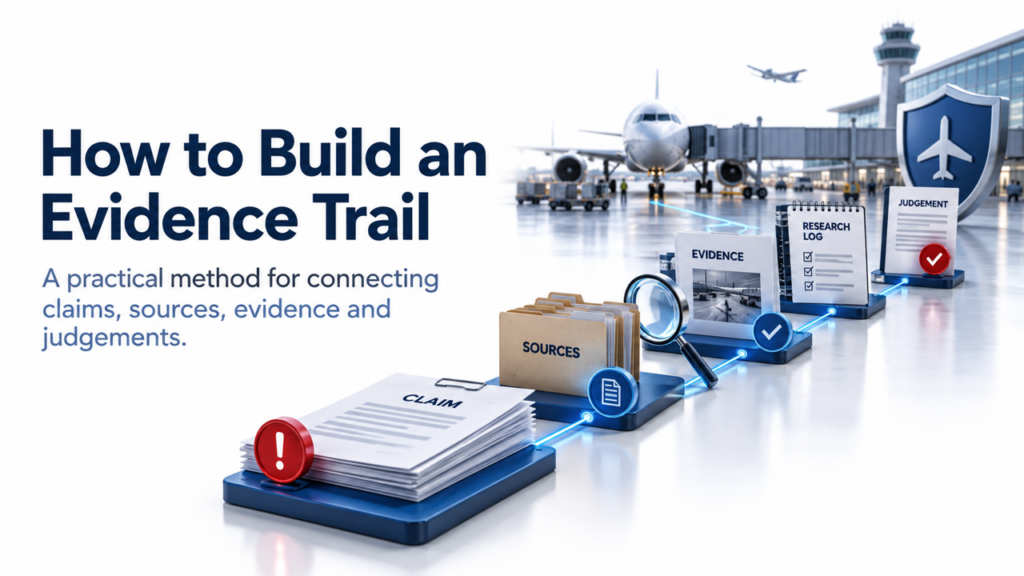
How to build an evidence trail
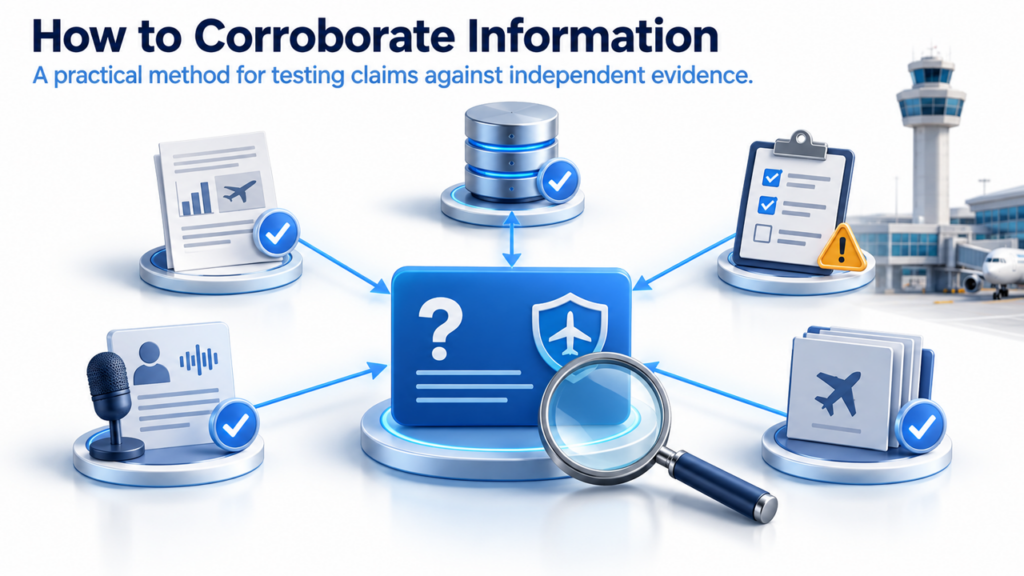
How to corroborate information
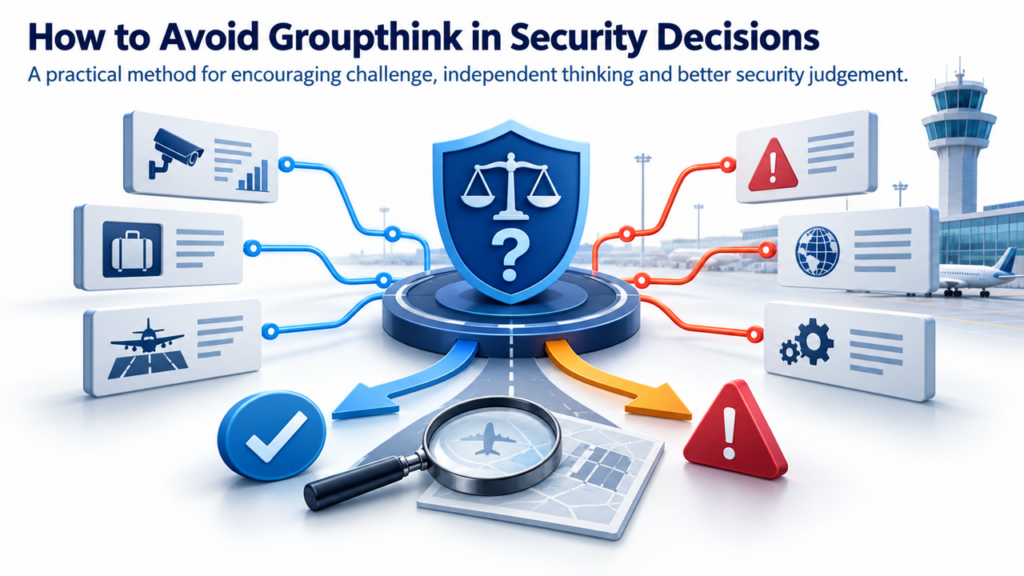
How to avoid groupthink in security decisions
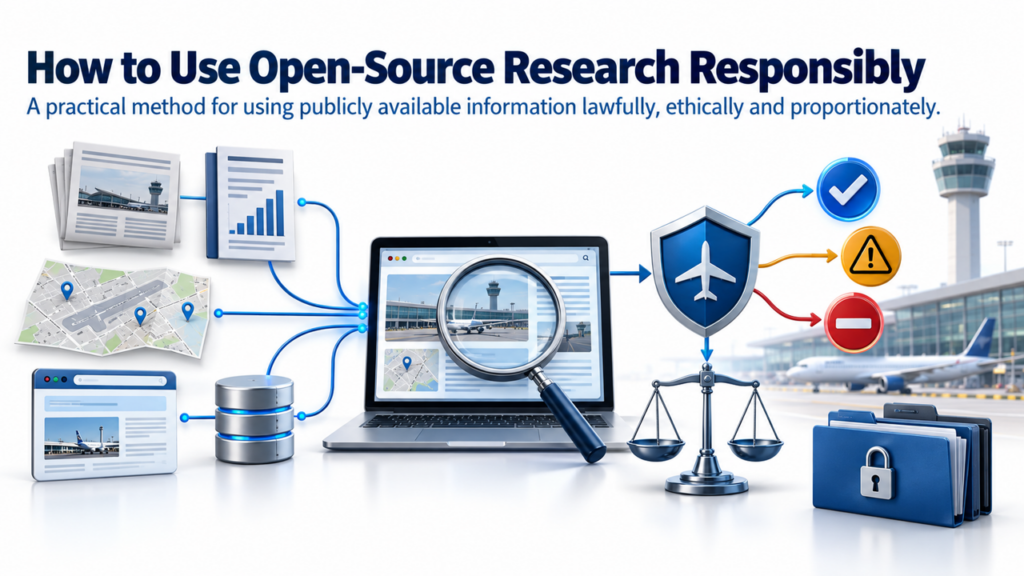
How to use open-source research responsibly
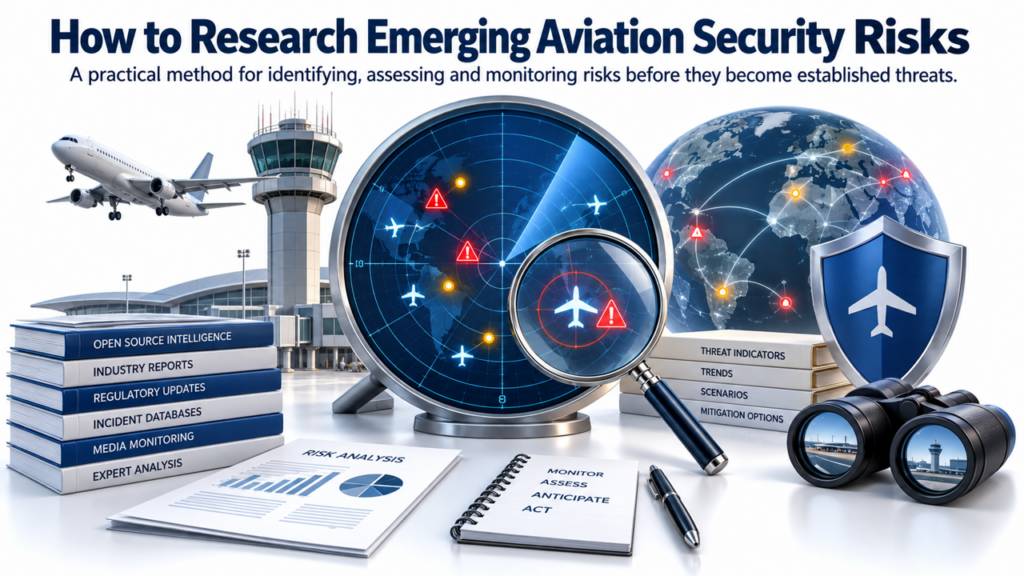
How to research emerging aviation security risks

How to research security culture
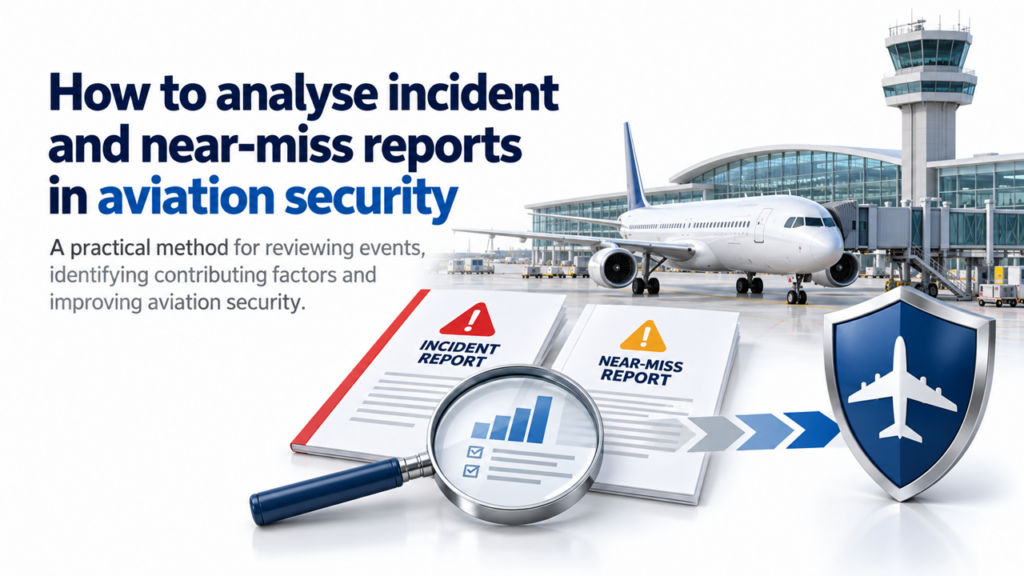
How to analyse incident and near-miss reports in aviation security
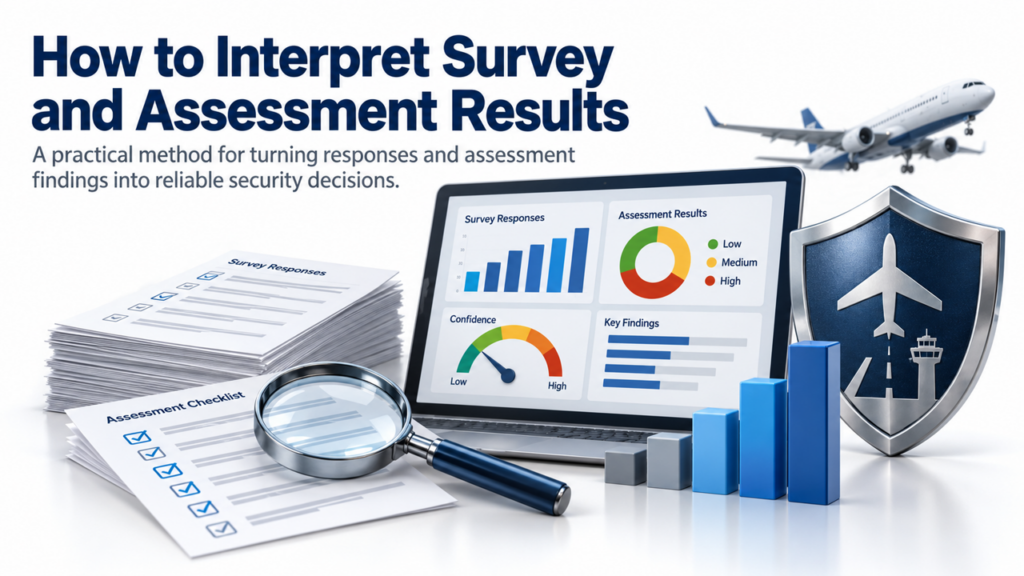
How to interpret survey and assessment results
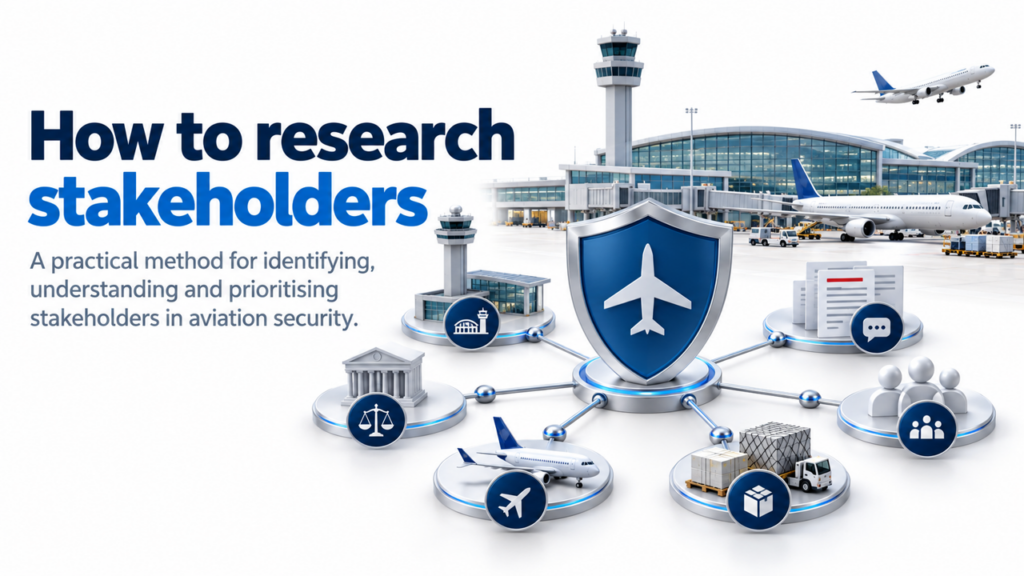
How to research stakeholders
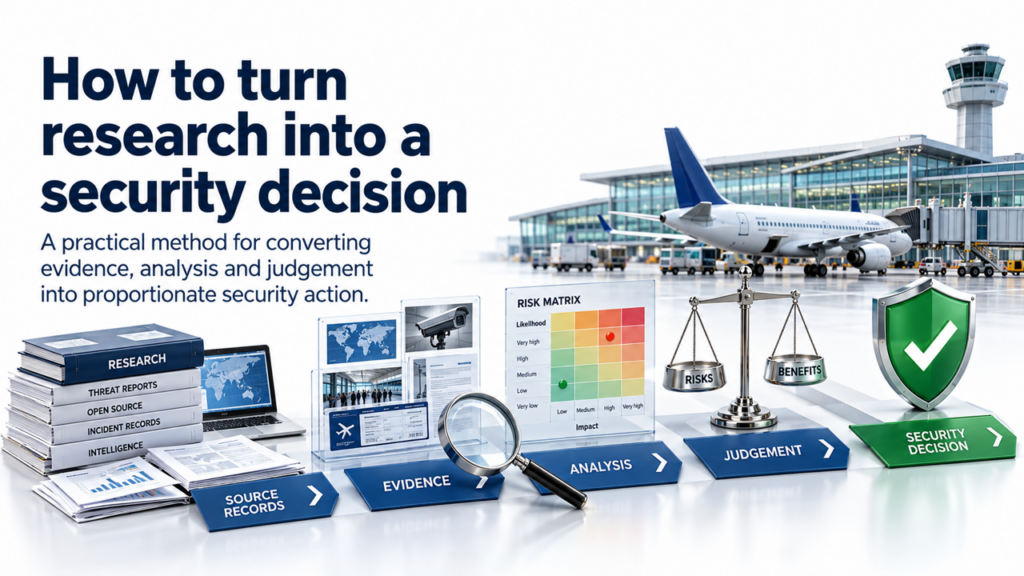
How to turn research into a security decision
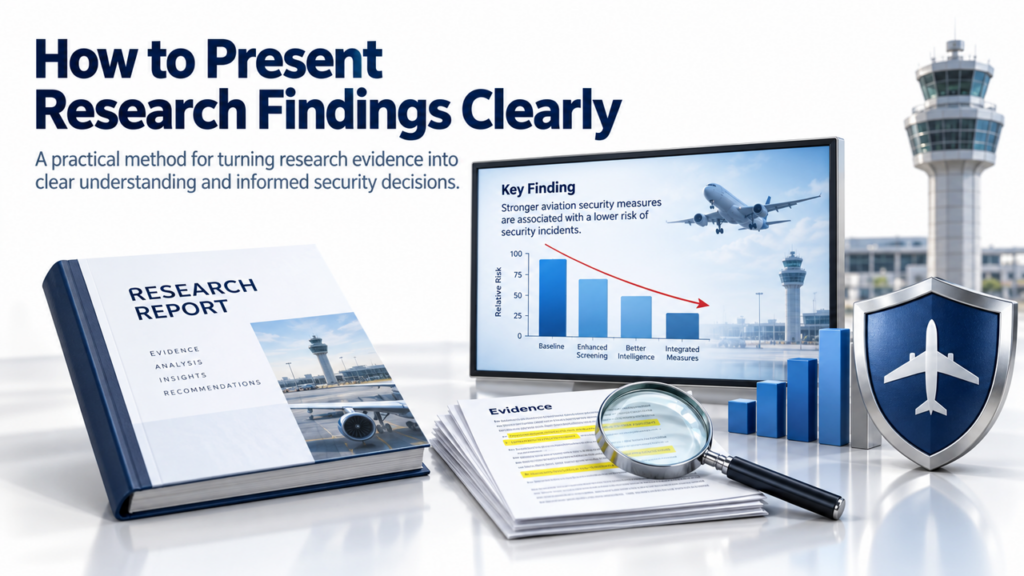
How to present research findings clearly
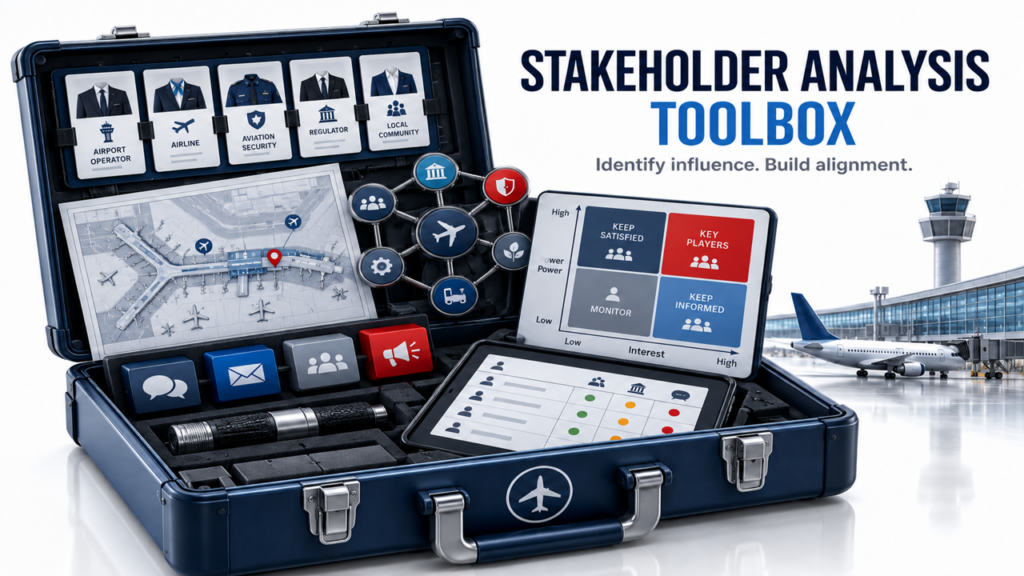
Stakeholder Analysis toolbox
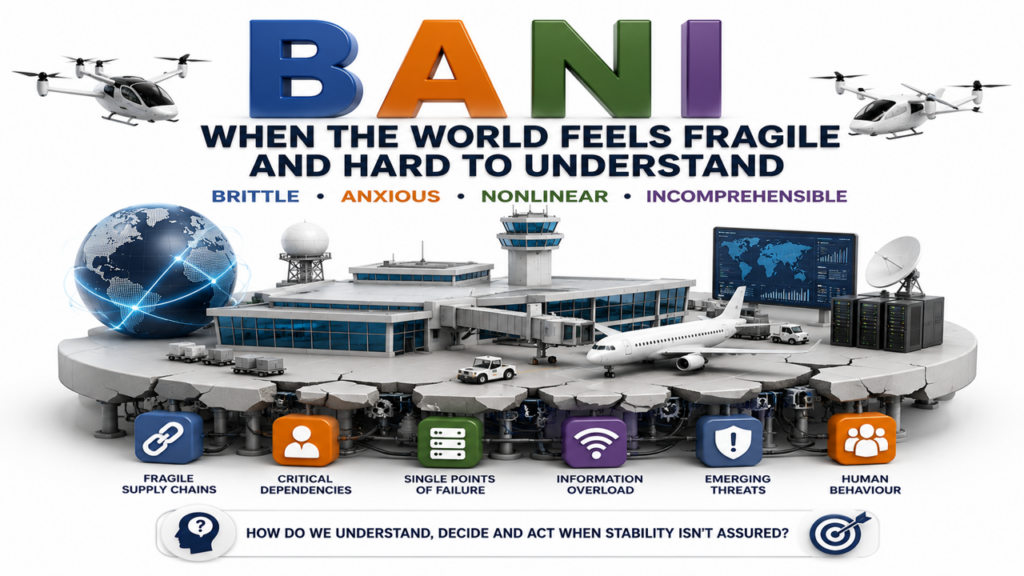
BANI: Brittle • Anxious • Nonlinear • Incomprehensible
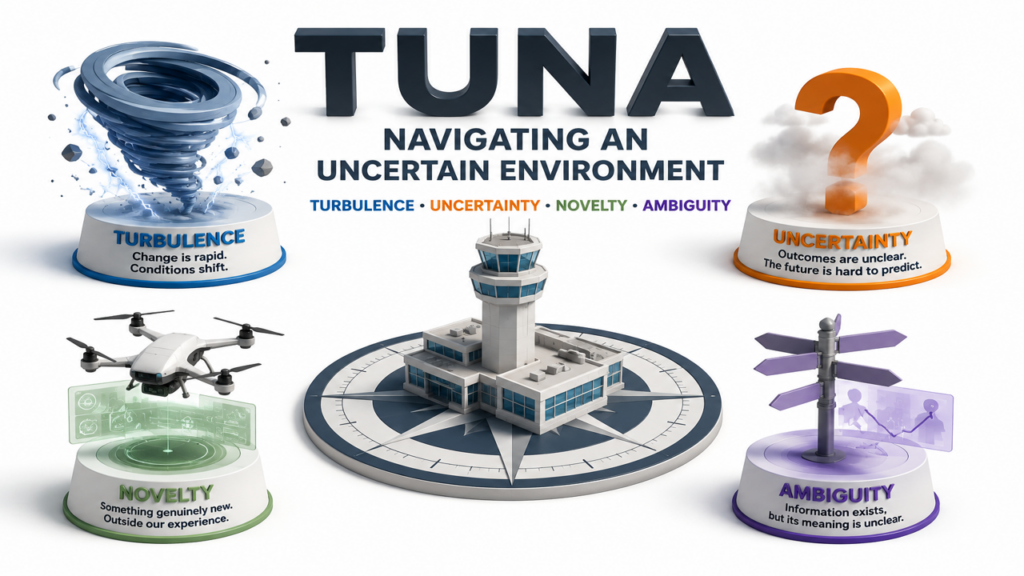
TUNA aviation security navigating an uncertain environment.
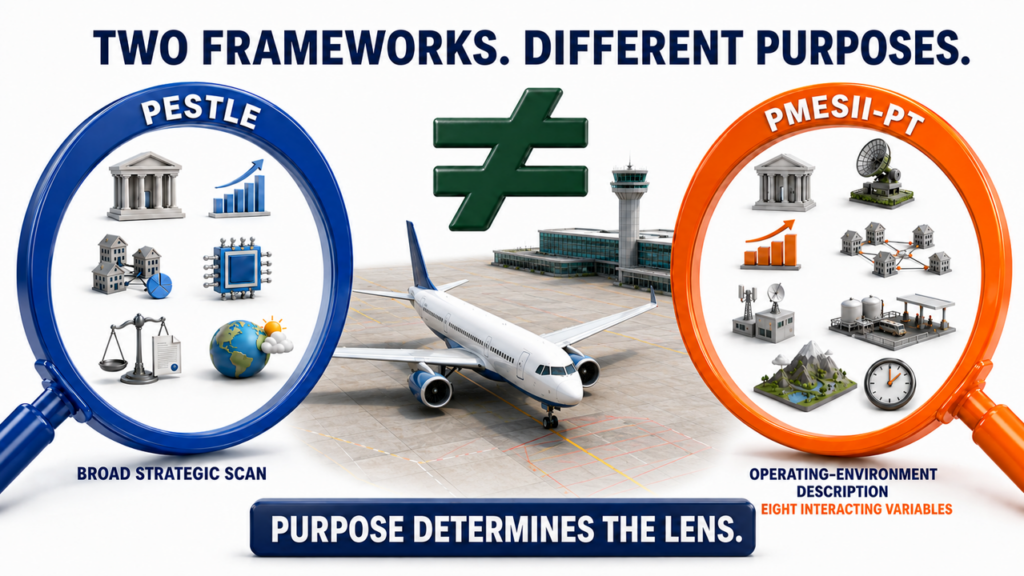
PESTLE vs PMESII-PT two lenses different emphasis

Monte Carlo simulation uncertainty to decision
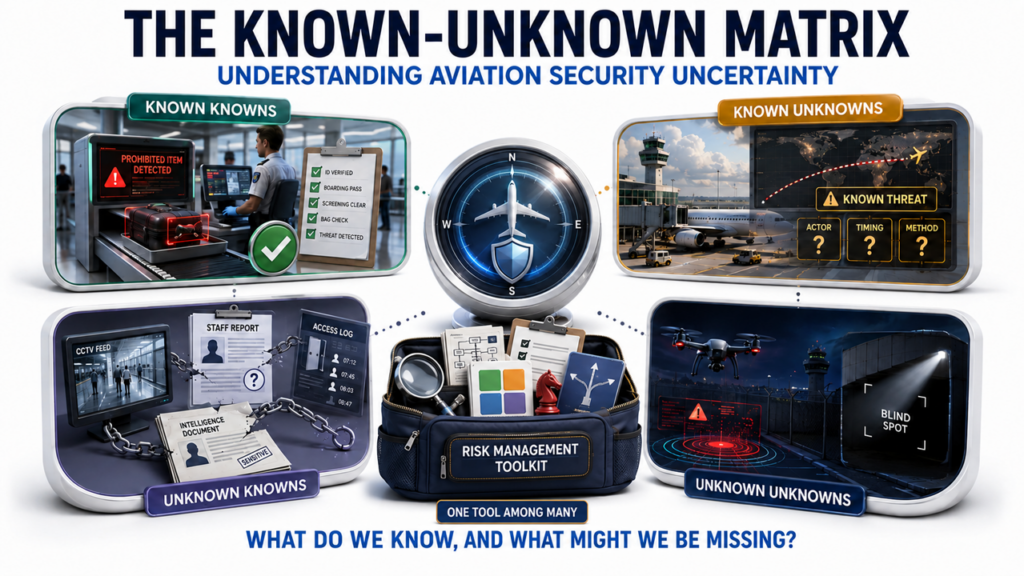
The known unknown matrix understanding aviation security uncertainty

The strategic foresight toolbox
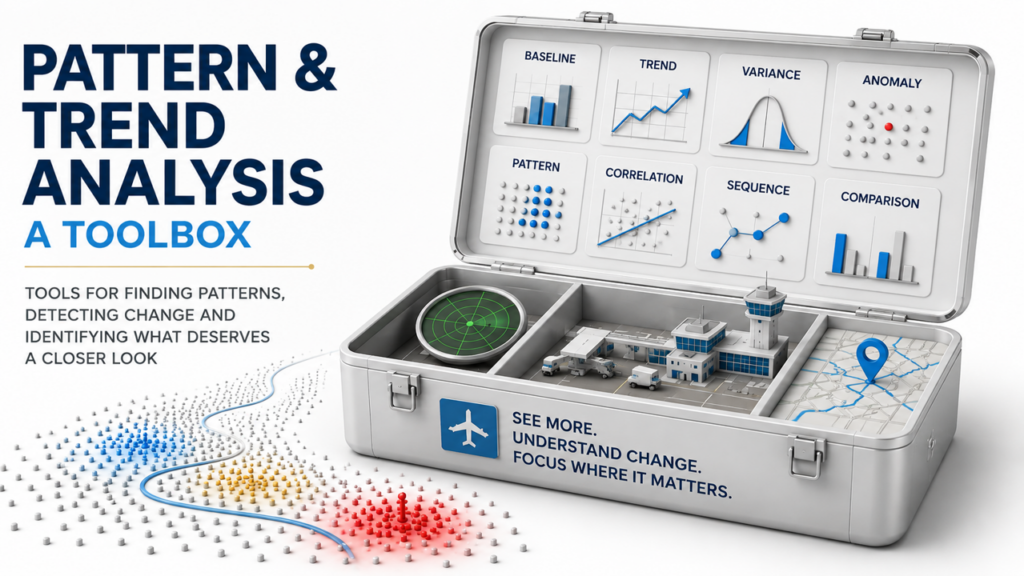
Pattern and trend analysis a toolbox
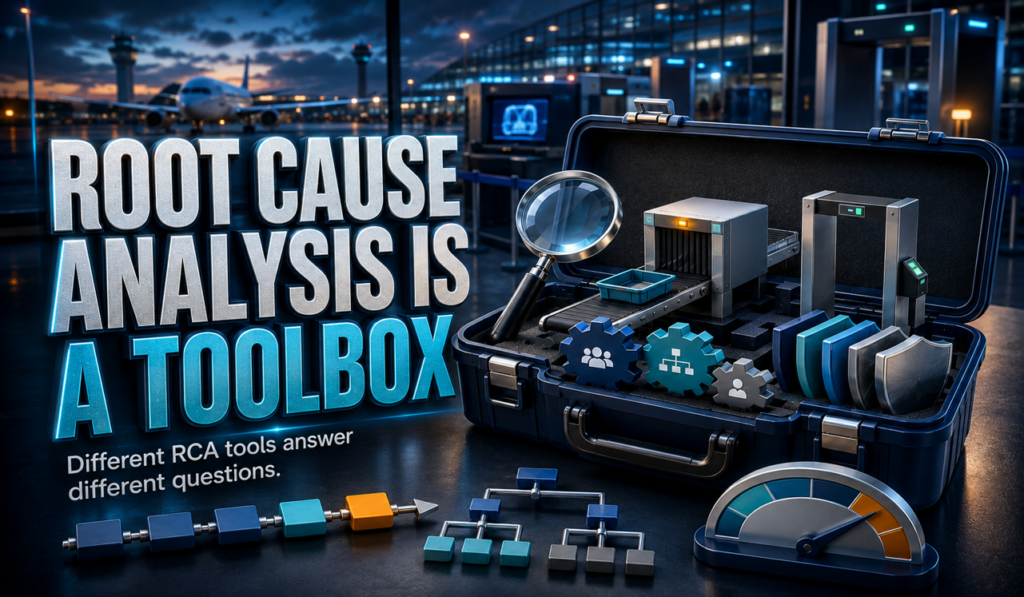
Root Cause Analysis (RCA) a toolbox
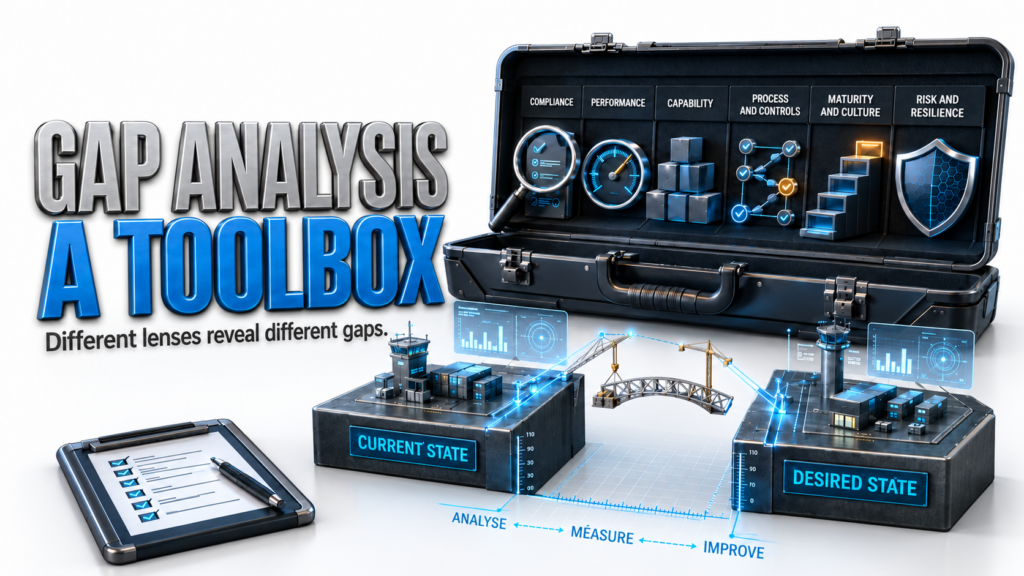
Gap analysis a toolbox

Interactive gamification for online training

Turning online gamification into learning
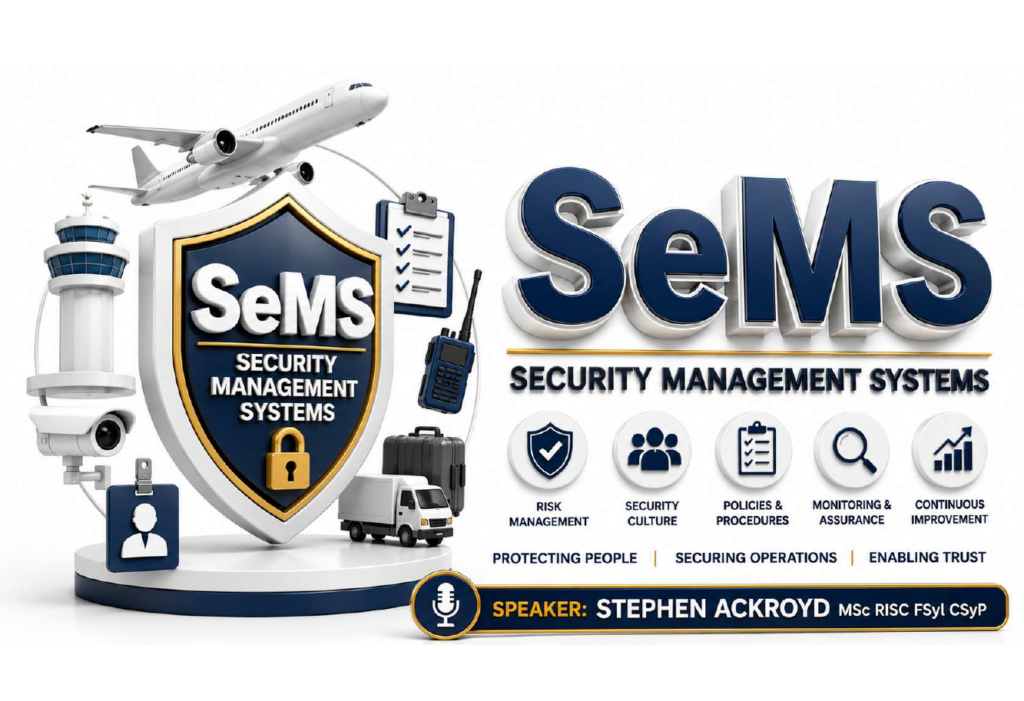
SeMS presentation – ACS May 2026
FREE PROFESSIONAL RESOURCES
