Workshops
Duration: 1, 2, 3 or 4 days
Delivery method: In person / online / In-company training
Cost: Available upon application
Language: English
Course code: BWS
Introduction
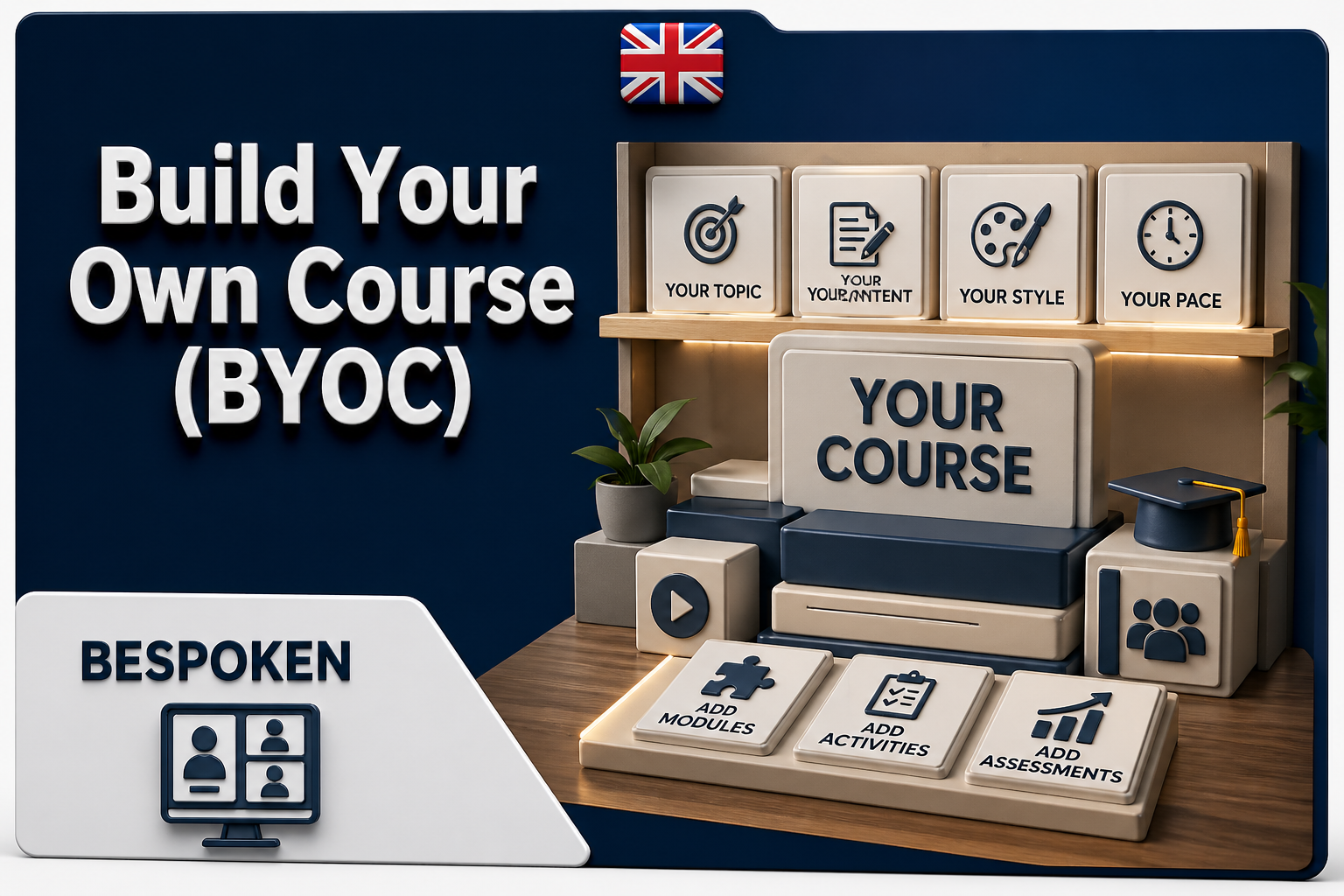
At Avsec Resilience Ltd, we understand that every business is unique, with its own set of challenges, goals, and priorities. That’s why we offer bespoke workshop solutions tailored specifically to your organization’s needs. Having a bespoke workshop designed specifically for your business is a strategic investment that delivers tangible benefits. It aligns the content with your objectives, industry dynamics, and organisational culture, maximizing engagement, relevance, and impact.
Potential course benefits, the why
Involving employees in workshops demonstrates that their opinions and contributions are valued by the company. This boosts employee morale, motivation, and engagement, which can lead to increased productivity and job satisfaction.
External consultants bring in-depth knowledge and experience in security risk management, including industry best practices, regulatory requirements, and emerging threats.
Consultants provide an objective assessment of security risks, free from internal biases or assumptions. This impartial evaluation helps identify blind spots and vulnerabilities that may be overlooked internally.
Consultants have insights into security trends, threat landscapes, and emerging technologies across various industries. Leveraging this knowledge allows you to stay ahead of evolving threats and implement proactive security measures.
External consultants can tailor their recommendations to an organisation's specific risk profile, considering factors such as industry regulations, business objectives, and risk tolerance. This customized approach ensures that security risk management strategy aligns closely with business goals.
Consultants can provide specialized training sessions for employees to enhance their understanding of security risk management principles and practices. This capacity-building initiative promotes a culture of security awareness and empowers employees to contribute to security efforts.
1. Comprehensive Risk Assessment: Through collaborative workshops and assessments, expect to identify and prioritise security risks across the organization, including vulnerabilities in infrastructure, processes, and systems.
2. Risk Mitigation Strategy: The workshop will facilitate the development of a risk mitigation strategy that includes proactive measures to reduce the likelihood and impact of security incidents, as well as reactive measures to respond effectively in the event of an incident.
3. Incident Response Plan: Consultants will assist in developing an incident response plan that outlines roles, responsibilities, and procedures for responding to security incidents, ensuring a coordinated and timely response.
While engaging external consultants from Avsec Resilience Ltd, incurs a financial cost, the potential benefits far outweigh the investment. By enhancing security risk management practices, reduce the likelihood and impact of security incidents, thereby minimizing potential financial losses, reputational damage, and regulatory penalties associated with security breaches.
Workshops provide a platform for employees to share their knowledge, experiences, and expertise with their colleagues. This collaborative environment fosters teamwork and strengthens relationships among team members.
Workshops provide opportunities for team members to collaborate, communicate, and build trust with one another. Engaging in group activities and problem-solving exercises fosters a sense of camaraderie and cohesion among team members, leading to stronger and more effective teams.
Security workshops empower businesses by boosting employee skills, fostering innovation, and enhancing team collaboration. They create a dynamic learning environment where new ideas flourish, driving productivity and problem-solving. Security workshops also strengthen company culture, improving retention and engagement. Investing in workshops demonstrates commitment to growth, ensuring businesses stay competitive, agile, and ready to meet evolving market demands.
Different types of workshops
A blended workshop combining (as examples) design thinking, change management, and strategic planning methodologies offers a holistic approach to addressing complex business challenges and driving organizational transformation. Here's how such a workshop could be structured and why it is beneficial for a business;
- Holistic Problem-Solving: By blending design thinking, change management, and strategic planning methodologies, the workshop provides a comprehensive approach to addressing complex business challenges. It enables organizations to consider multiple perspectives, anticipate potential barriers, and develop strategic solutions that align with long-term objectives.
- Employee Engagement and Buy-In: Incorporating change management methodologies ensures that proposed solutions are effectively communicated, and stakeholders are engaged throughout the process. By involving employees in the design and implementation of solutions, the workshop facilitates buy-in and ownership, increasing the likelihood of successful execution.
- Agility and Adaptability: Blending different methodologies allows organizations to be agile and adaptable in responding to changing market conditions and emerging opportunities. It equips teams with the tools and mindset needed to navigate uncertainty and drive continuous improvement.
Utilised to generate creative ideas and solutions for a particular problem or challenge. It's often used at the beginning of a project or when a team needs to generate new ideas.
Conducted to teach employees new skills, processes, or tools relevant to their roles. These workshops can be held regularly or as needed to keep employees updated on industry trends and best practices.
Designed to improve communication, collaboration, and trust among team members. These workshops are beneficial for newly formed teams, teams experiencing conflicts, or those looking to enhance their dynamics.
Implemented during periods of organizational change to help employees adapt to new processes, technologies, or strategies. These workshops aim to reduce resistance to change and ensure a smooth transition. This could overlap with Management of Change (MOC) workshops.
Is a structured session designed to address the process of implementing changes within an organisation.
Focused on identifying and resolving specific issues or obstacles hindering business operations. It involves analyzing the problem, brainstorming solutions, and developing an action plan.
Used to develop or refine the organisation's strategic goals, objectives, and initiatives. These workshops involve key stakeholders and help align the team on the organization's long-term vision.
Aimed at fostering a culture of innovation within the organization. Participants are encouraged to think creatively, explore new ideas, and develop innovative solutions to challenges
Conducted to understand the stakeholders experience across various touchpoints with the company. It helps identify areas for improvement and develop strategies to enhance the customer experience.
Utilized to tackle complex problems from a user-centered perspective. It involves empathy, prototyping, and testing to develop innovative solutions that meet user needs.
Held to gather feedback from employees or stakeholders on past projects, initiatives, or processes. It provides an opportunity for reflection, learning, and continuous improvement.
Incorporating a variety of games into workshops can enhance engagement, learning retention, and overall workshop effectiveness by catering to different learning styles, promoting interaction, and making learning enjoyable and memorable for delegates, examples;
- Communication games
- Creativity games
- Cultural awareness games
- Feedback or reflection games
- Icebreaker games
- Leadership games
- Problem-solving games
- Role-playing games
- Team-building games
- Simulation games
- Strategy games
- Time management games
- Trivia or quiz games
SWOT on an externally provided workshop
- Expertise: External consultants often bring specialized knowledge and experience in their field, providing valuable insights and best practices to the company.
- Objectivity: Being external to the company, consultants can offer unbiased perspectives and identify areas for improvement without internal biases or politics.
- Flexibility: Consultants can tailor workshops to the specific needs and goals of the company, providing customised solutions.
- Efficiency: As specialists, consultants can efficiently deliver workshops, saving the company time and resources compared to developing internal training programmes.
- Cost: Hiring external consultants can be expensive, especially for smaller companies or those with limited budgets.
- Lack of Internal Understanding: Consultants may not fully understand the company's culture, processes, or industry nuances, which could affect the relevance and effectiveness of the workshops.
- Dependency: Relying too much on external consultants can create a dependency on outside expertise, potentially hindering the development of internal capabilities.
- Communication Challenges: Misalignment in expectations or communication gaps between the consultants and the company's stakeholders can lead to misunderstandings or dissatisfaction with the workshop outcomes.
- Limited Ownership: Since consultants are external to the company, there might be a lack of ownership and commitment to the long-term success and implementation of the workshop recommendations.
- Innovation: Consultants can introduce new ideas, methodologies, and technologies that the company may not have considered or been aware of previously.
- Skill Development: Workshops conducted by external consultants can help develop the skills and capabilities of the company's employees, enhancing their performance and productivity.
- Market Insights: Consultants can provide valuable market insights and trends, helping the company stay competitive and adapt to changing industry dynamics.
- Strategic Alignment: Consultants can assist in aligning workshop objectives with the company's strategic goals, ensuring that the training contributes directly to organizational success.
- Long-Term Partnerships: Successful workshops can lead to long-term partnerships between the company and the consulting firm, providing ongoing support and collaboration.
- Competition: Other consulting firms or internal resources may offer similar workshops.
- Reputation Risks: Poorly executed workshops or unsatisfactory outcomes can damage the reputation of both the consulting firm and the company.
- Confidentiality Concerns: Sharing sensitive information with external consultants could pose possible risks to confidentiality and intellectual property.
- Resistance to Change: Employees may resist the changes recommended in the workshops, leading to implementation challenges and resistance from within the organization.
Difference between workshop, seminars and training delivery style
Workshops are interactive and participatory in nature. They often include hands-on activities, group discussions, and exercises designed to facilitate learning and skill development. Workshops will have facilitators guiding participants through the learning process. The primary objective of workshops is skill-building, practical application, or problem-solving. The aim is to actively engage participants in learning through activities and exercises that reinforce concepts and encourage experiential learning.
Seminars typically involve one or more presenters delivering lectures or presentations on a specific topic to an audience. They often follow a formal structure with limited opportunities for interaction between presenters and participants. The main objective of seminars is to provide information, insights, or updates on a particular subject matter. They aim to educate, inform, or raise awareness among participants about key issues or developments in a specific field.
Training sessions are structured educational events focused on teaching specific skills or knowledge to participants. They often combine presentations, demonstrations, and practical exercises to facilitate learning. The main objective of training sessions is to equip participants with the skills, knowledge, and competencies required to perform specific tasks or roles effectively.
"Building situational awareness isn’t about people not seeing the solution—it’s that they often can’t see the problem."

In-house workshops
To facilitate *oversight there is the option to have one or two remote delegates.
The remote delegates can watch both facilitator and assigned whiteboard, in addition to full audio and ask questions.
This is subject to Terms and Conditions, regarding privacy for workshop delegates, reliable internet speed requirements and confirmation of an agreed framework for remote participants.
*Example: Training manager, inhouse instructor, line manager, quality manager
Online workshops
Using either Zoom (our default), Microsoft Teams, Webex can all be utilised for workshops.

Continue Looking: